Septic System Maintenance in Covington, KY
Regular septic system maintenance in Covington is what keeps a healthy system healthy: scheduled pump-outs, component checks, and small corrections made before they turn into failures.
Maintenance Is More Than a Pump-Out
Pumping removes what has accumulated in the tank, and that alone protects the drain field. But a maintenance visit goes further, because the parts you cannot see are the ones that quietly decide how long the system lasts. During a visit, once the tank is pumped out fully, the components are checked while it is open and accessible.
That includes the baffles that keep solids away from the outlet, the effluent filter if your system has one, the condition of lids and risers, and a look over the drain field for early warning signs such as wet patches or odors. When a closer look is needed, a dedicated inspection takes the examination further.
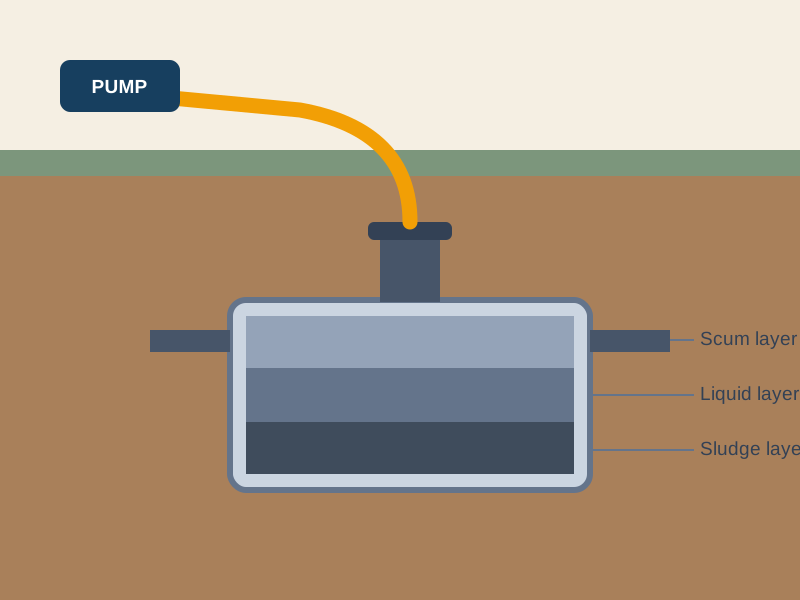
How a Maintenance Visit Works
Schedule the visit
Call to check today's availability and set a time. It helps to know when your tank was last pumped, if you have that record.
Locate and open the tank
The tank is located and accessed through its lids or risers, keeping digging to a minimum.
Pump out and check components
The tank is pumped out fully — liquids, sludge, and scum — and the baffles, filter, and access points are checked while it is open.
Close up and document
Lids are secured, the area is tidied, and the visit is documented so you have a record of the service and the system's condition.
A Pumping Schedule That Fits Your Household
The standard guidance is to pump every three to five years, but the right interval for your home depends on how fast the tank fills with solids. A large household on a smaller tank moves toward the three-year end of that range. A couple in a home with a generously sized tank may sit closer to five. Garbage disposals shorten the interval, because ground food waste adds solids.
The safest approach is to pick an interval based on your household and tank size, then keep records so the schedule is based on dates rather than memory. If it has been longer than five years — or you do not know when the tank was last pumped — treat it as due. Pairing the pump-out with a full tank cleaning service at the same visit clears out what a standard pump-out can leave behind. Regular septic tank pumping in Covington is the core habit; maintenance is what makes each visit count.
Riser Installation: Access at Ground Level
Many older tanks are buried with lids below the soil surface, which means every service visit starts with digging. A riser solves that permanently: it extends the tank's access opening up to ground level, finished with a secure lid at the surface. With a riser fitted, future pump-outs and inspections are faster and cleaner, because nobody has to excavate to find the lid.
Risers also make the schedule easier to keep: when access is simple, checks between pump-outs — a quick look at the filter, for example — become practical. If your tank lids are buried, ask about adding a riser during your next scheduled visit, while the tank is already open.
Effluent Filters and Everyday Habits
If your system has an effluent filter, it sits at the tank outlet and strains solids before wastewater flows to the field — a last line of defense for the most expensive part of the system to repair. Filters need periodic cleaning, which is quick work during a maintenance visit. A clogged filter can cause slow drains and backups even when the tank itself has room, so it is checked and cleaned during the visit rather than left to chance.
Day to day, your habits do the rest. Spread laundry across the week instead of running it all in one day. Fix dripping faucets and running toilets promptly. Never flush wipes — including the ones labeled flushable — grease, solvents, or harsh chemicals, and use a garbage disposal sparingly. Explore our full range of septic services to see how maintenance connects with the rest of your system's care.
Frequently Asked Questions
What is the difference between pumping and maintenance?
Pumping is the removal of the tank's contents — the liquids, sludge, and scum. Maintenance includes the pump-out and adds checks of the baffles, effluent filter, lids and risers, and the drain field area, so small problems are caught while they are still small.
Does my tank need a riser?
A riser is not required, but if your tank lids are buried below the soil, it is one of the most practical upgrades available. It brings access to ground level, which makes every future visit cleaner and faster and removes the need to dig up the yard each time.
How do I know when my tank is due for service?
Work from the date of the last pump-out and your household's interval — three to five years is the typical range. Slow drains, gurgling sounds, or odors are signs the tank may already be overdue. If you have no record of the last service, scheduling a visit is the sensible starting point.
What should never go down the drain?
Keep out wipes of any kind, grease and cooking oil, solvents, paint, harsh chemical cleaners in quantity, and anything that does not break down. A septic system treats household wastewater; it is not built to handle trash or chemicals, and those items burden the tank and can reach the field.
Keep Your System on a Healthy Schedule
If your tank is due — or you are not sure when it was last serviced — call EverFlow Septic Solutions to check today's availability and book a maintenance visit.
Call (770) 318-7881 Request Septic Service